Why We Took the Prototype to Villages
When Aerocarrier started designing an agriculture spraying drone, the goal was not to build another generic aircraft and then search for an application. During the idea phase, we spoke with farmers and agriculture spraying pilots to understand the problems they were already facing with market-available systems.
We repeatedly heard and observed concerns around bulky platforms for a 10-litre payload, limited flight time, transportation and operational effort, cost of ownership and gaps in after-sales support. Those discussions gave us the design direction for AgriFly S10.
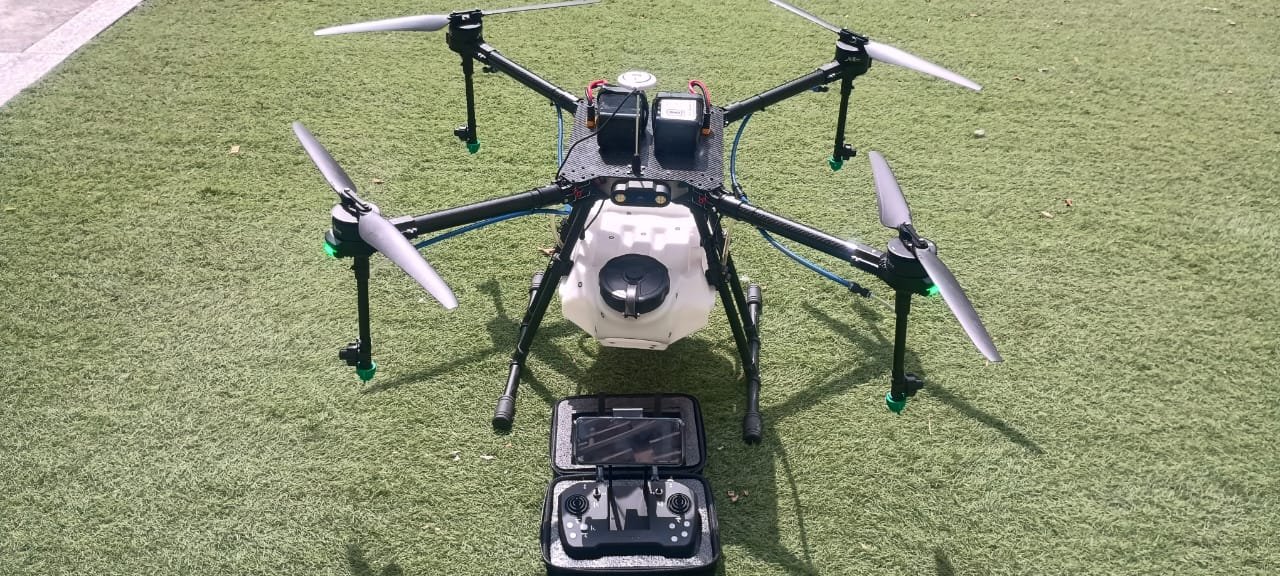
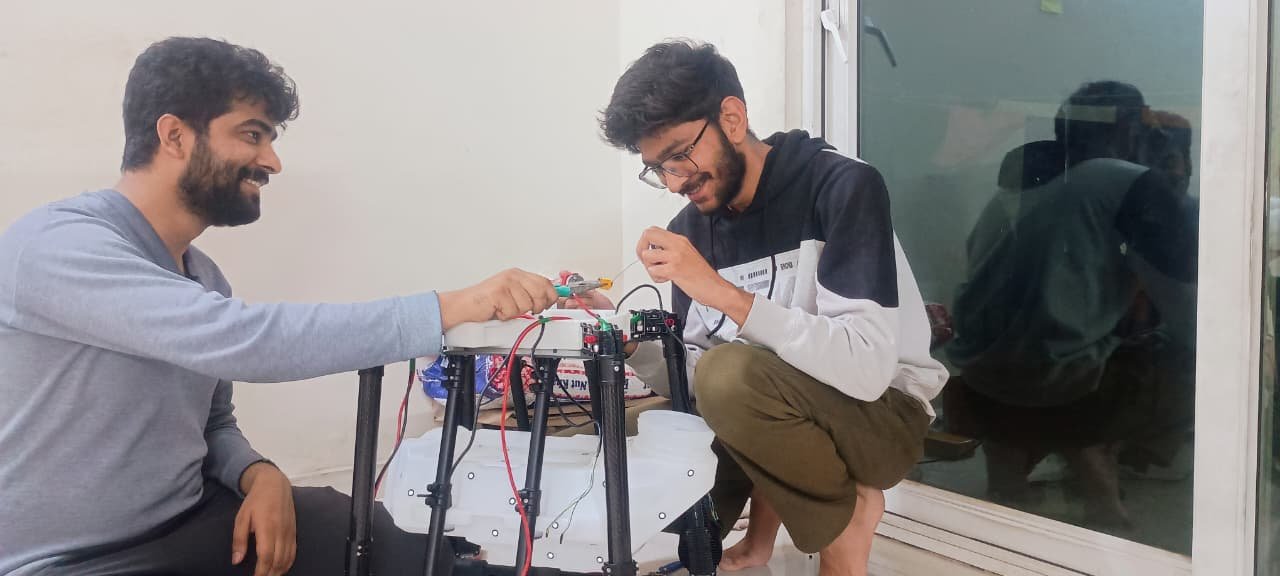
February 2025: The First AgriFly S10 Prototype
In February 2025, the team developed the first in-house designed AgriFly S10 prototype. We did not consider that aircraft a finished commercial product. It was built to enter real farms, face real operating conditions and expose the gaps that could not be understood in a workshop alone.
March 2025: Village Demonstrations Became Product Validation
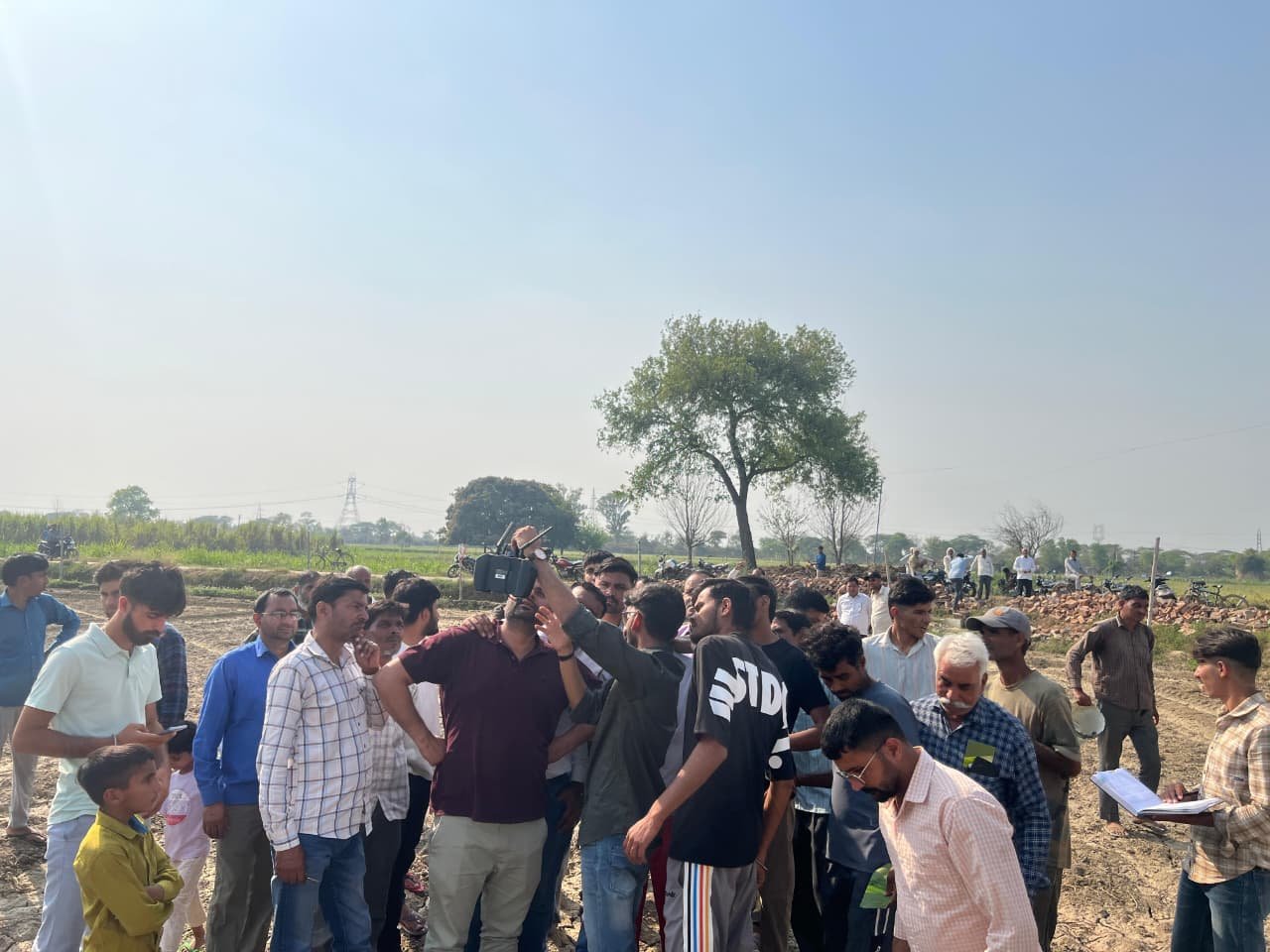
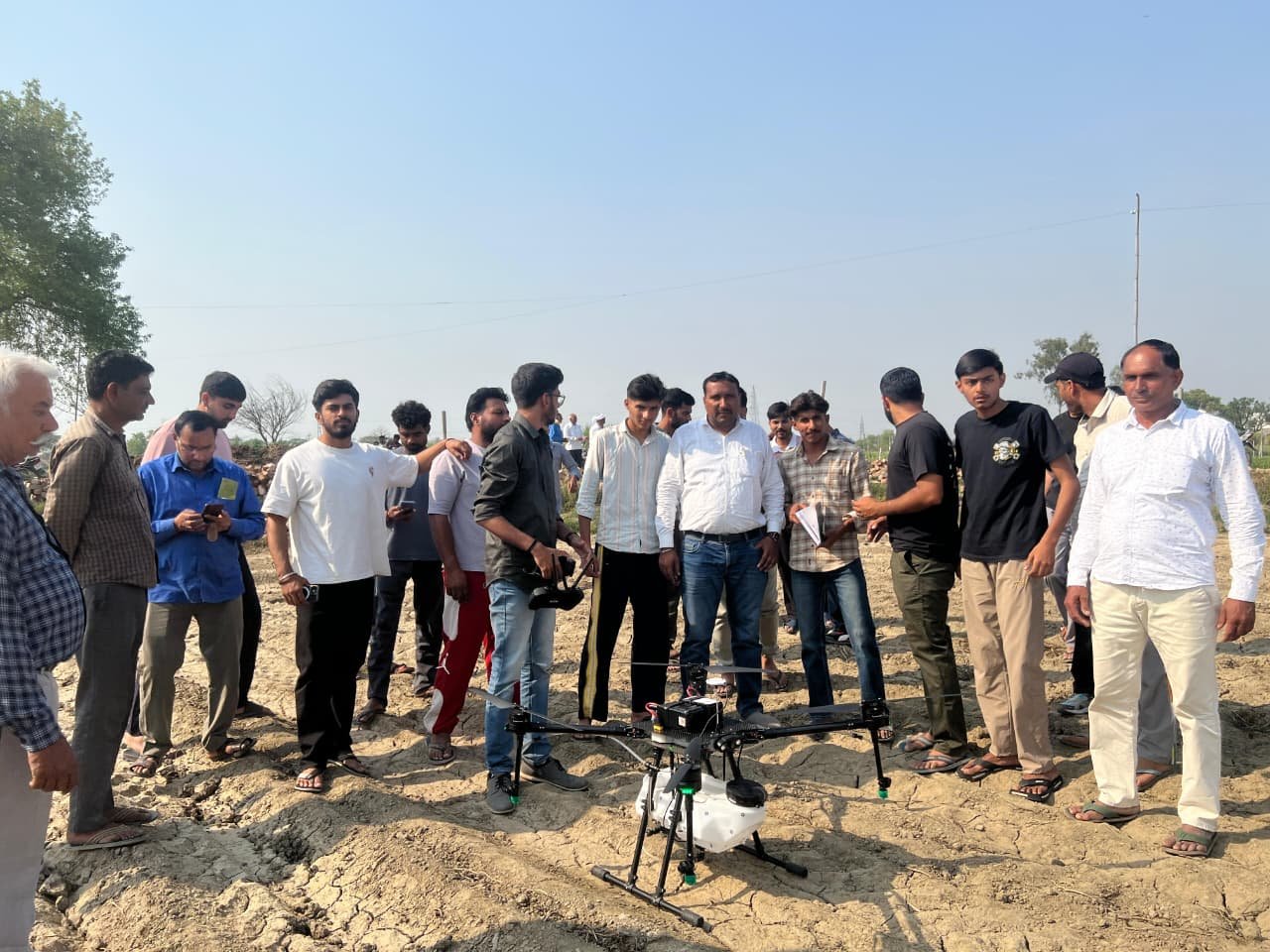
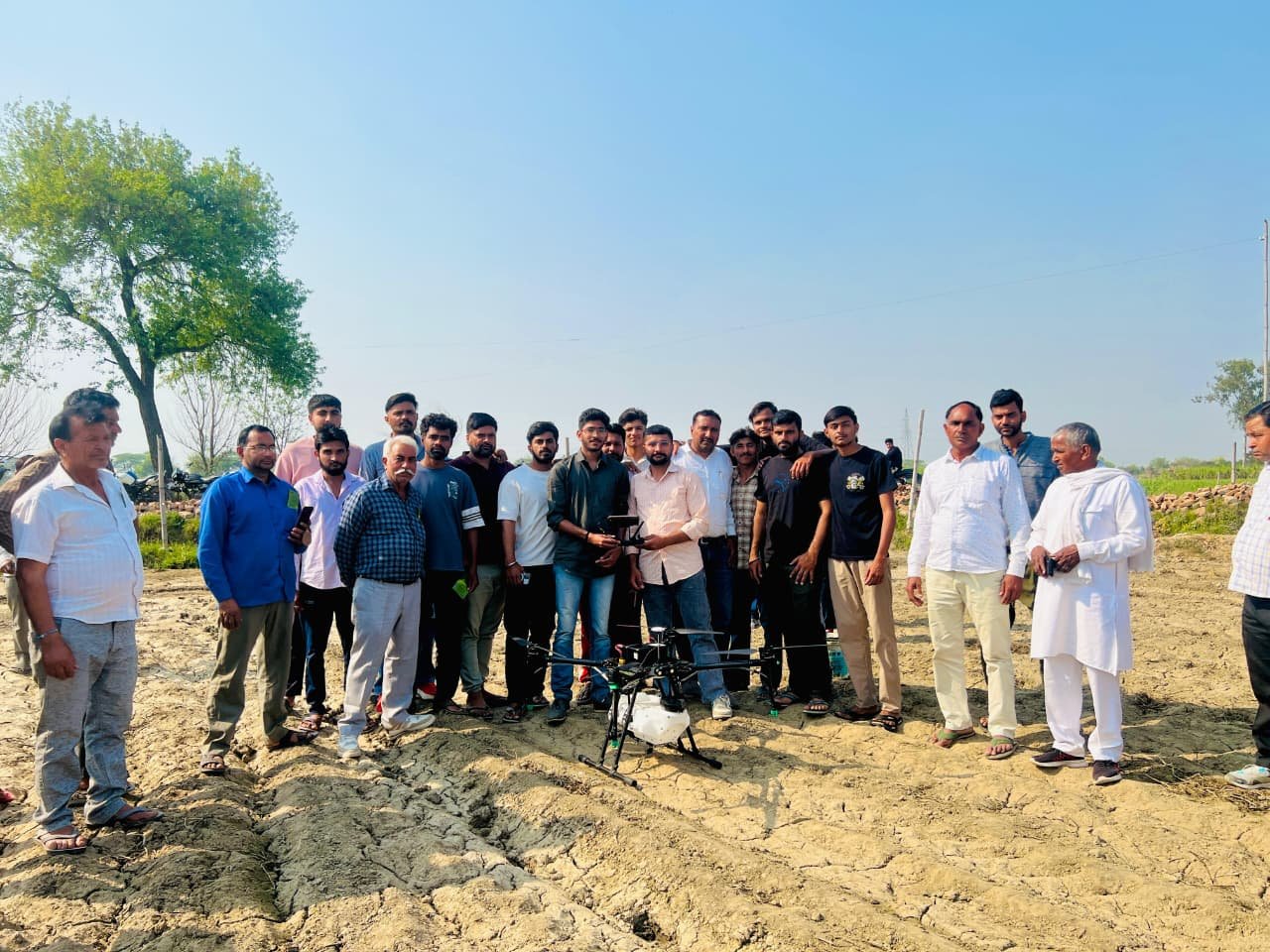
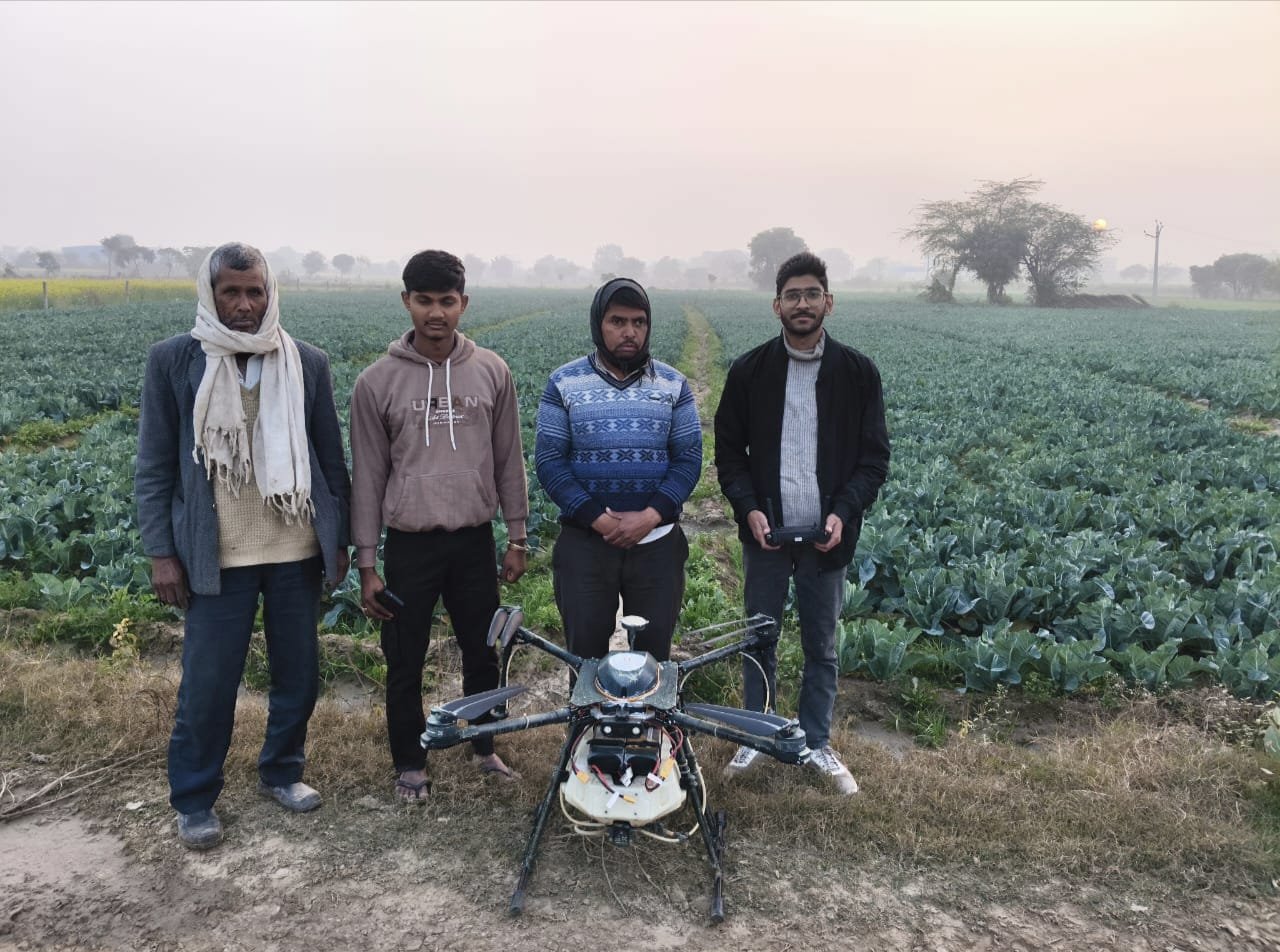
From mid-March 2025, we started presenting the drone at village level through demonstrations and real-field testing. These sessions allowed farmers and pilots to see the system operating, while our team could observe product behaviour, handling, spraying workflow and field-level practical issues.
What began as product demonstrations became a long on-ground validation cycle. We were not only showing the aircraft—we were collecting feedback and learning how the product needed to change for Indian agriculture conditions.
May 2025: Testing Started Turning Into Paid Work
As the drone kept operating in the same areas where validation was taking place, farmers started giving us spraying orders. By May 2025, Aerocarrier had begun generating revenue from agriculture spraying while AgriFly S10 was still going through its field-validation cycle.
At that stage, spraying services were offered at approximately ₹300–₹400 per acre, with around 20 litres per acre used in the operating context described by the team. These orders were important because the prototype was no longer being evaluated only in demonstrations—it was doing real customer work.
From Local Orders to 2,500+ Acres of Field Operations
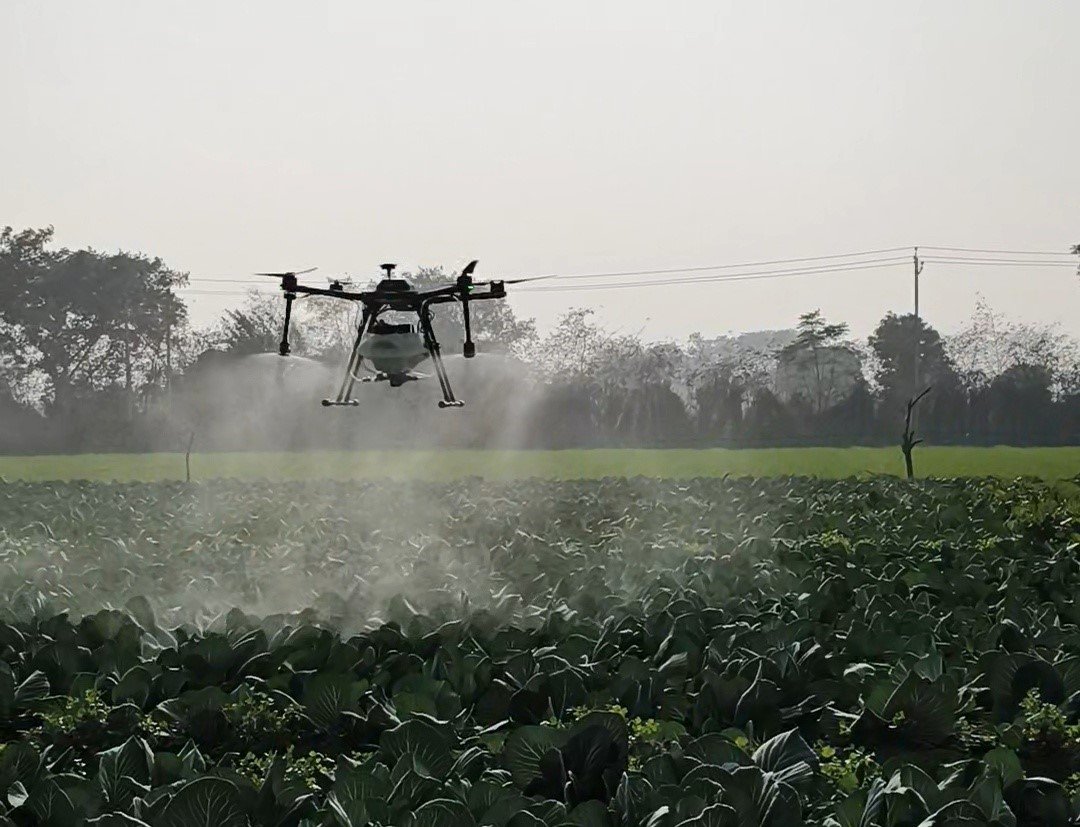
As the validation continued, agriculture spraying expanded beyond initial local orders. Aerocarrier also provided agriculture spraying support for Sanklp and AROH Foundation, alongside direct field operations and village-level work.
Across this journey, Aerocarrier crossed 2,500+ acres of spraying and field operations. The value of this milestone was not simply the area covered. Every acre added operating hours, farmer interaction, pilot feedback, maintenance experience and practical product data that could be taken back into engineering.
Working With Farmers Was Part of the Product Development
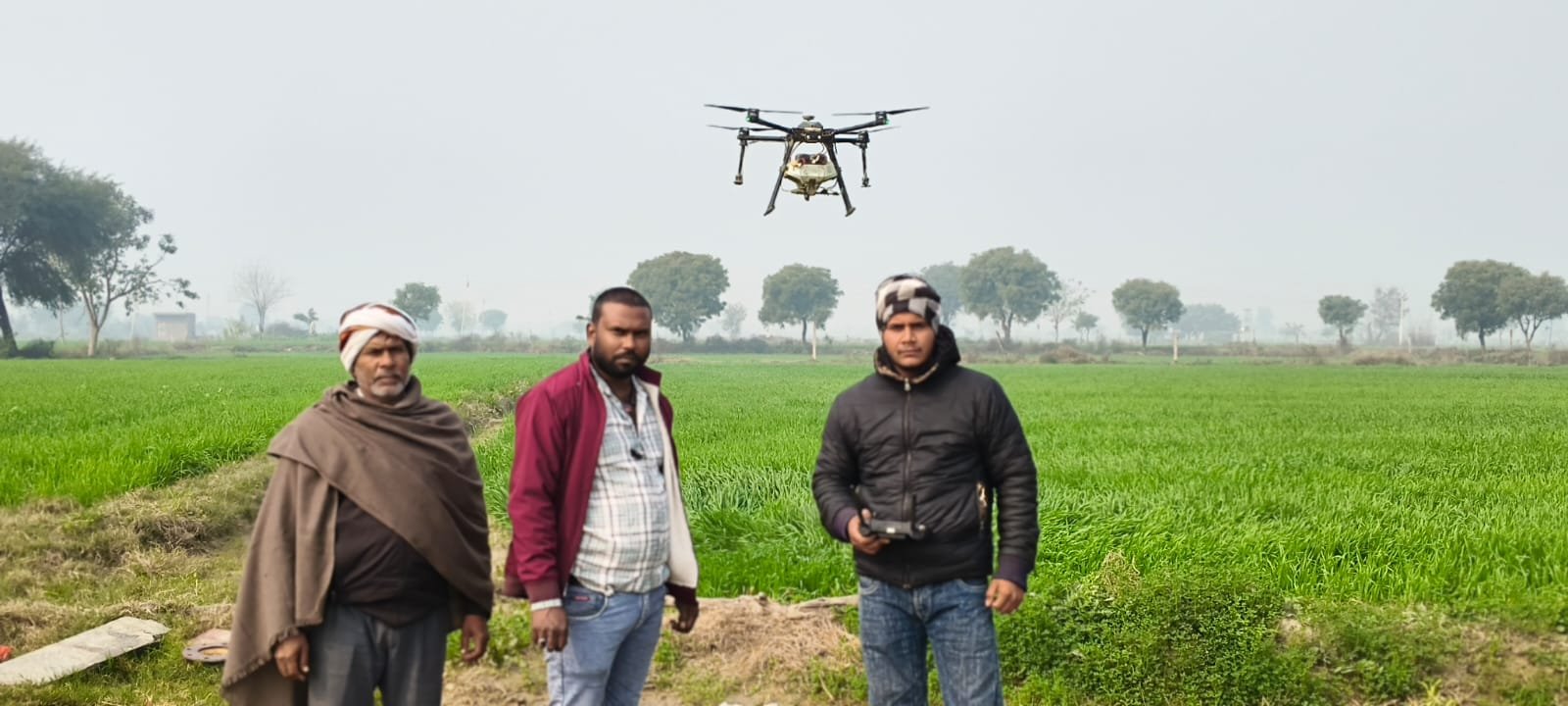
Agriculture drone adoption is not only about whether an aircraft can fly and spray. Farmers and operators also experience transportation, setup time, operating cost, reliability, maintenance, technical support and the confidence that the equipment can keep working when it is needed.
That is why our field activity was directly connected to product development. We used service operations to understand the application more deeply rather than treating field deployment as separate from engineering.
January 2026: Field Data Shaped the Finalized AgriFly S10
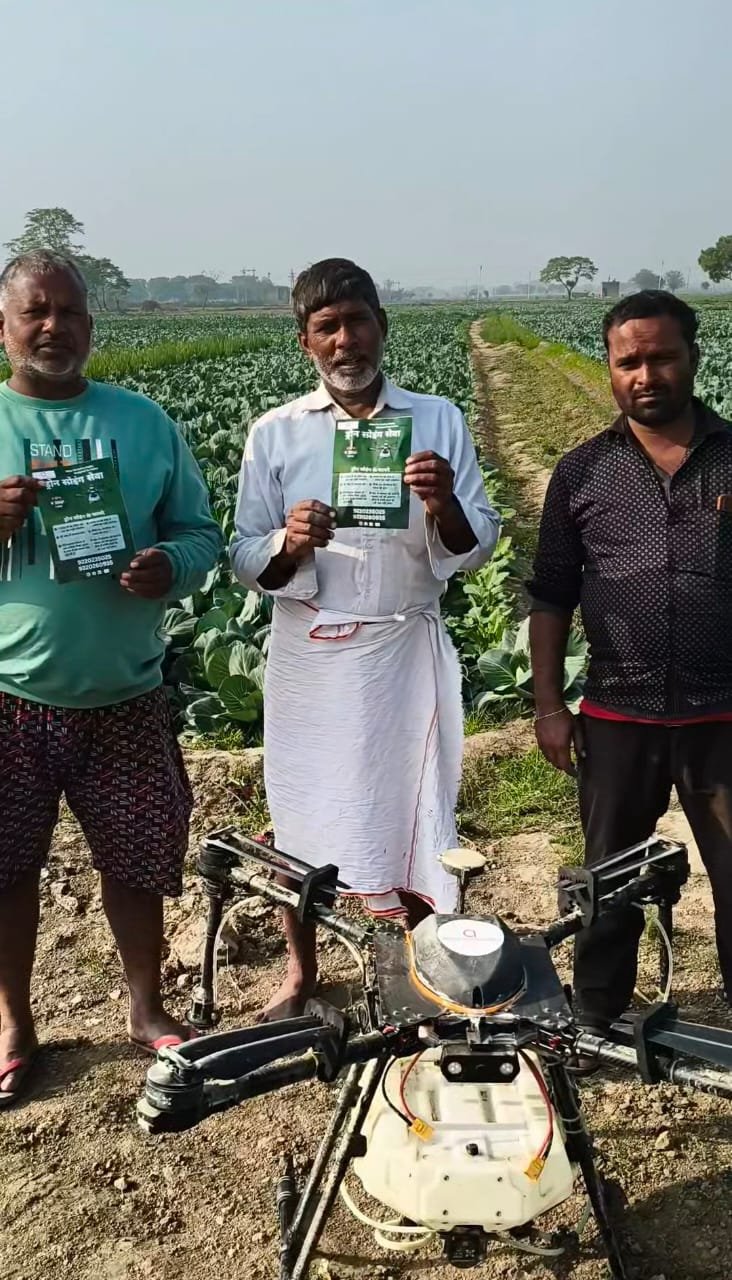
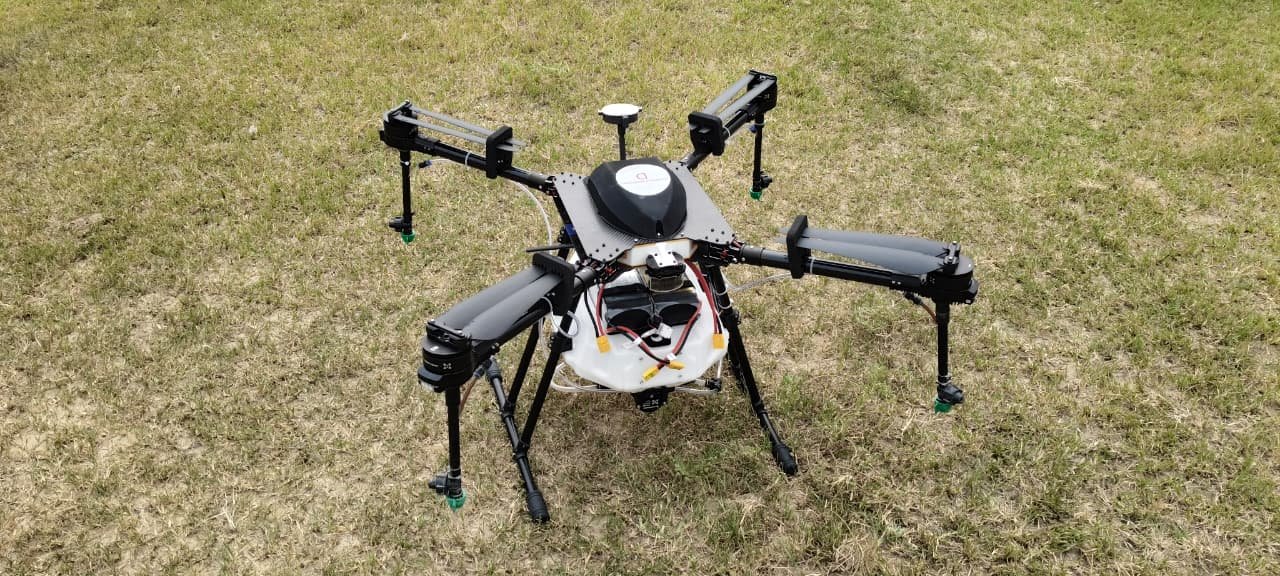
After months of demonstrations, paid spraying, agriculture deployments and continuous observation, the team used the accumulated operational data to finalize the production-oriented version of AgriFly S10 in January 2026.
This remains central to Aerocarrier's product philosophy: build, deploy, observe, improve and repeat. The first prototype went to farms so that the final product could be shaped by the application rather than assumptions.
First Prototype
Production-Oriented Product
What 2,500+ Acres Taught Us About Agriculture Drone Adoption
Our field experience reinforced that farmers can see the value of drone technology, but adoption depends on the complete ownership and operating experience. Portability, operational economics, reliability, field support and after-sales confidence can be as important as headline specifications.
Those learnings now influence not only how we design AgriFly S10, but also how Aerocarrier makes drone technology available through project-based Drone Rental Solutions and the Pilot Partnership Program.
Frequently Asked Questions
How many acres has Aerocarrier covered through agriculture spraying and field operations?
Aerocarrier has crossed 2,500+ acres through its agriculture spraying, validation and service journey.
When did Aerocarrier start field testing AgriFly S10?
Village-level demonstrations and field validation began in March 2025 after the first prototype was developed in February 2025.
When did agriculture spraying begin generating revenue?
Aerocarrier began receiving paid spraying orders during the validation period in May 2025.
Which organizations has Aerocarrier supported with agriculture spraying?
Aerocarrier has provided agriculture spraying support for Sanklp and AROH Foundation, in addition to village-level validation and direct spraying operations.